
Beyond Day of Visibility: How Transgender District's Breonna McCree is building hope and empowerment
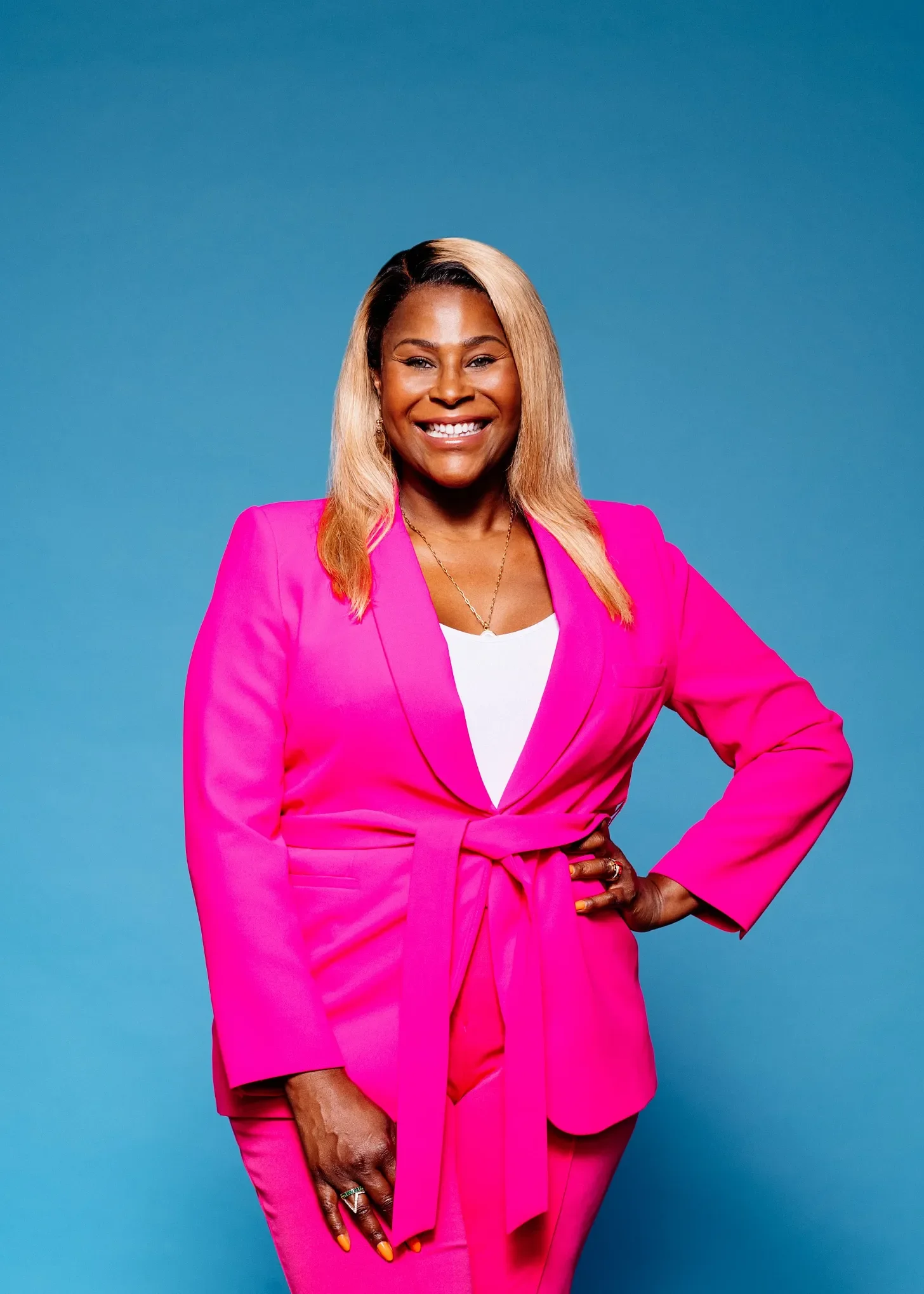
Breonna McCree, Co-Executive Director of the Transgender District. (Courtesy of Breonna McCree)
As Co-Executive Director of the Transgender District in San Francisco, the world’s first legally recognized district, Breonna McCree has spent her career building the kind of infrastructure that visibility rhetoric consistently promises and rarely delivers.
From rent stabilization programs to entrepreneurship pipelines and a health and wellness fair drawing 200+ participants, McCree is building on the legacy of the city’s past trans activists from the 1966 Compton’s Cafeteria riots to today.
I sat down with McCree ahead of Trans Day of Visibility to talk about what the District is actually building, why ballroom culture is a survival strategy (not just an aesthetic), and what she believes visibility really means in an era when trans and non-binary people are watching their services cut in real time while being told to be grateful for the representation.
Marie-Adélina de la Ferrière: The Transgender District was founded to empower trans communities in the Tenderloin while preserving cultural history and legacy. As we head into Trans Day of Visibility, how do you define visibility beyond representation, especially in terms of land ownership and economic infrastructure?
Breonna McCree: At the District, we have become culture bearers of our history, working with trans and non-binary folks through our entrepreneurship program to launch over 50 new businesses in the Transgender District. We’re also doing the work to preserve the history and culture of the 1966 Compton’s Cafeteria riots—now with our walking tour and our first-ever mural project.
Ballroom has historically operated as an informal mutual aid network for Black and trans queer folks: providing housing, mentorship, protection, and, in some instances, income opportunities. How does the District see ballroom as part of the broader ecosystem of trans survival strategies?
There has been a shift in culture within the past couple of years. Traditional ballroom is mainly on the East Coast, but there has been a phenomenal takeover of ballroom culture on the West Coast—especially in San Francisco. Because we’re a sanctuary city, we’ve had a lot of people move to the Bay Area who are in ballroom culture, making it more accessible here.
We’re starting to see that with different houses forming. One of the houses, the House of Chanel—the mother we work closely with at Trans Thrive—needed some space to launch some of their ballroom programs. I said, “ Why don’t you use the District as a community hub to do just that?” That’s how we started to become more connected with folks in the ballroom scene.
San Francisco is often marketed as a beacon of LGBTQ+ progress. Yet many Black and brown queer and trans folks continue to face displacement and housing instability. How does the District reconcile that contradiction in its day-to-day work?
We’ve created our rent stabilization program to help people coming into San Francisco find housing, paying first and last month’s rent, and some move-in costs to ensure they have adequate and safe housing. We’ve also relaunched our social justice program to give folks a head start in learning what it’s like to be part of a nonprofit. We always try to prioritize giving back to community, especially to younger folks.
Some brands still mark Trans Day of Visibility with campaigns, rainbow lighting, and corporate messaging. What does visibility look like when it’s materially backed by policy, programming, and community investment?
Visibility looks like a celebration. An all-inclusive celebration of people showing up authentically as themselves and not having to worry about persecution. It creates a contained environment of safety.
This year, we thought it was more important now to show solidarity with our community and create a large festival in the park—with live music, DJs, performers, and security. We’ve worked with the police department to make sure that everybody is safe.
To me, visibility means being visible even when no one is watching. When your life is on the line, you are still your authentic self. That’s what visibility means to me. It’s not something you can shed. It is something you carry with you all day, every day.
How can people use the power of their purse to advocate for trans individuals and make them not just more visible, but safer?
Find a local nonprofit that shares your values. One whose mission you believe in. If you can’t give monetarily, give in people power. Show up and volunteer. If you’ve got some rich friends, ask them to come and donate and help build the programs. But I really want people to come out and see the programs in action. I want you to see where your investment is going.
The District exists within systems that were not built for Black trans leadership. What has it meant for you personally to lead within a structure that is both community-rooted and institutionally recognized?
It’s a fight every day. It is a fight every day for funding. It is a fight to highlight our existence. It’s a fight to highlight our culture. It’s a fight every day. And it drains you.
But I think because we are inherently fighters as trans and non-binary people—because we have had to fight to become the people that we are—we will continue to fight this battle. And even through all of the fight and constant attacks, what is inherently built inside of us is joy. Even through all of the fighting, we still come together to create joyous moments of celebration like nobody has ever seen before. Even under the eye of this federal government. Even in this local government, where they are cutting all transgender services. We have been tasked to do more with less—and we find a way to do it.
